1. Bukit Timah Hill – The Final Stand
Bukit Timah was the site of intense fighting in February 1942, as Japanese forces pushed toward the city. This hill was strategically important because it housed key supply depots. Today, visitors can walk the nature trails and imagine the fierce battles fought in the dense jungle terrain.
2. Former Ford Factory – Site of Surrender
On 15 February 1942, British forces formally surrendered Singapore to the Japanese at this very building. Now a museum, it offers powerful exhibits on the fall of Singapore and life under occupation. It’s one of the most important WWII landmarks on the island.
3. Fort Siloso, Sentosa – Coastal Defence Guns
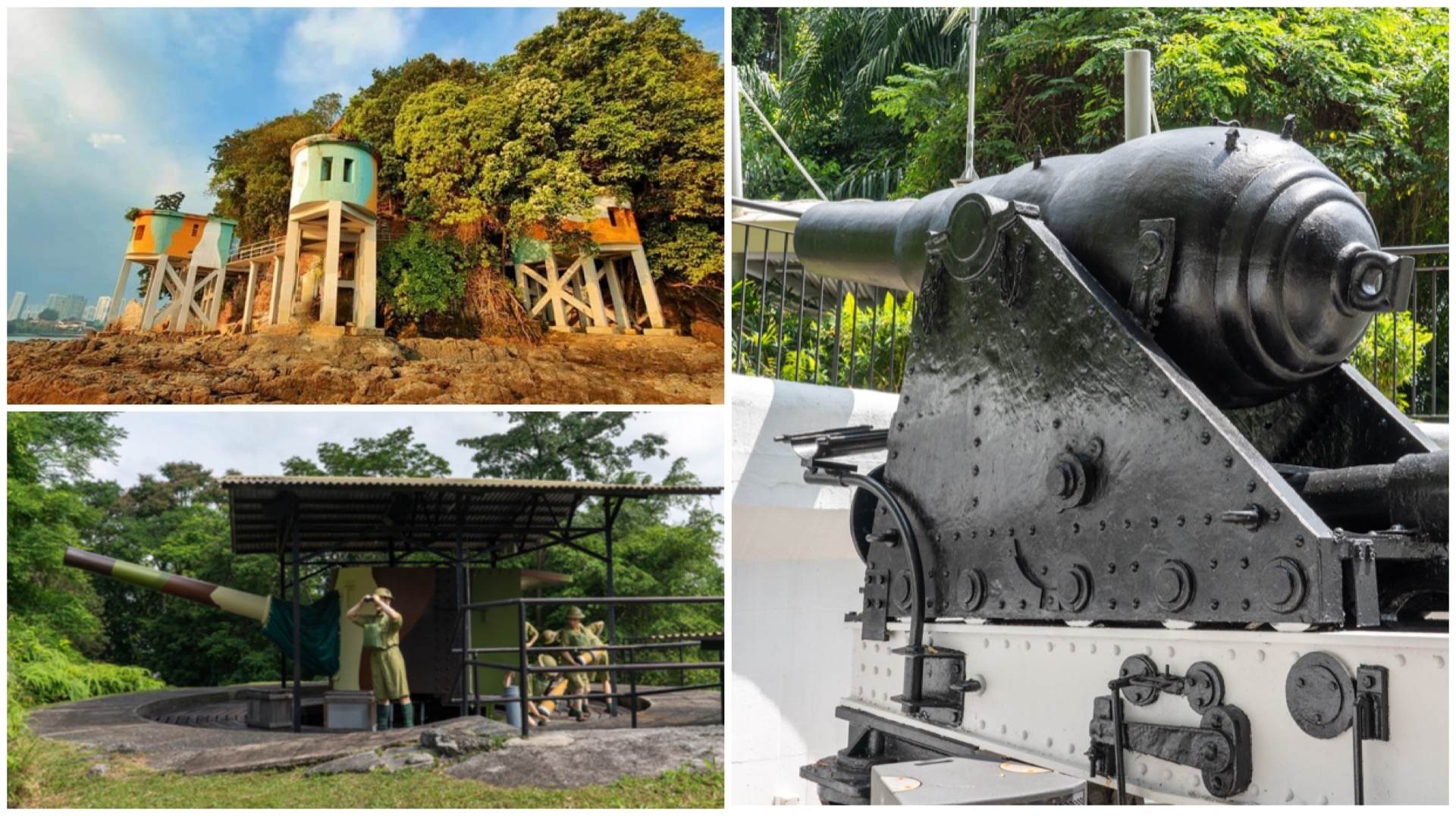
Fort Siloso was part of Singapore’s coastal defence system. During the war, its guns were turned inland to fight the advancing Japanese troops. Today, it is the only preserved coastal fort in Singapore, complete with tunnels, guns, and wartime displays.
4. Kranji War Cemetery – Honouring the Fallen
This serene cemetery is the final resting place of thousands of Allied soldiers who died defending Singapore and Malaya. It is a deeply moving place where visitors can reflect on the human cost of war.
5. Changi Chapel & Museum – Stories of Survival
Changi was where many POWs were held during the Japanese Occupation. The museum tells the emotional stories of prisoners through letters, drawings, and personal belongings. It’s one of the most meaningful places to understand the resilience of the human spirit.
6. Labrador Battery – Hidden Tunnels and Coastal Guns
Part of Singapore’s southern defence line, Labrador Battery housed large artillery guns aimed at protecting Keppel Harbour. Visitors can explore the park, old gun emplacements, and remnants of wartime structures.
7. The Battlebox, Fort Canning – Underground Command Centre
This underground bunker was the British military’s nerve centre during the Battle for Singapore. It was here that the decision to surrender was debated. Today, it offers immersive tours that bring the final days of the battle to life.
8. Bukit Chandu (Reflections at Bukit Chandu)
Bukit Chandu — meaning “Opium Hill” — is one of the most emotionally powerful WWII sites in Singapore. It commemorates the heroic last stand of the Malay Regiment on 14 February 1942, just one day before the British surrender.
Why It Matters
- This was the site of the Battle of Pasir Panjang, where outnumbered Malay Regiment soldiers, including the famous C Company led by Lt. Adnan Saidi, fought fiercely against the advancing Japanese forces.
- Their bravery is remembered as one of the most valiant defences in Singapore’s wartime history.
- The hill offers sweeping views and a peaceful environment that contrasts with the violence that once took place here.
9. Fort Siloso, Sentosa
Fort Siloso is Singapore’s only fully preserved coastal fort, originally built in the late 19th century to defend Keppel Harbour. It later played a role during the Battle of Singapore, when its guns were turned inland to fire on advancing Japanese troops.
Why It Matters
- The fort contains WWII-era coastal guns, tunnels, fortified structures, and wartime exhibits, offering a vivid look at Singapore’s coastal defence strategy.
- It houses the Surrender Chambers, an immersive exhibit featuring wax figures and multimedia that depict key moments of the British surrender.
- Fort Siloso was officially gazetted as a National Monument in 2022, recognising its historical importance.
- The Fort Siloso Skywalk offers panoramic views of Sentosa and the southern coastline.
- It is one of the most accessible and engaging WWII sites, combining history, scenery, and storytelling in a single location.
Why These Sites Matter to Tourists
- Understand Singapore’s dramatic wartime history
- Appreciate the courage and suffering of soldiers and civilians
- See how the island transformed from a battlefield to a modern nation
- The museum, Reflections at Bukit Chandu, tells the story of the Malay Regiment through artefacts, multimedia, and personal accounts.
- Acquire a deep human perspective on the war — focusing not just on battles, but on courage, sacrifice, and identity.
- To walk the same ground where the regiment made its final stand, making it a moving and memorable stop.
- To connect emotionally with stories of resilience, loss, and hope
- Explore underground tunnels, gun emplacements, and interactive displays that bring wartime history to life.
Location
Various locations across Singapore; see individual site descriptions above.
Plan a Visit
Join one of our guided heritage walks to learn more about these WWII sites. Private group bookings available.
Contact / Book a Visit