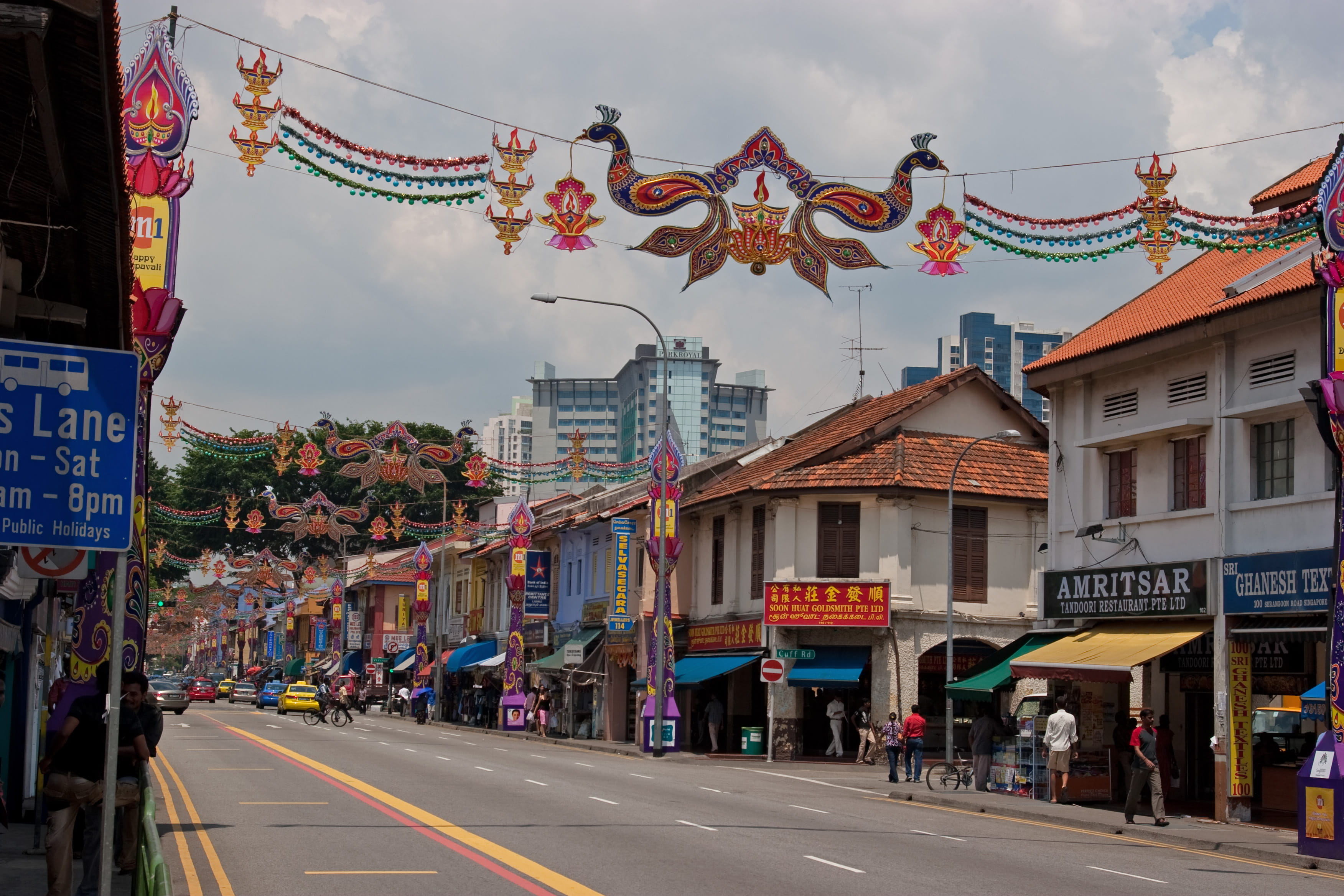
The Indian community and early settlement
The Indian community has been part of Singapore’s story from the very beginning of the modern settlement in 1819. Their arrival was shaped by trade, colonial administration, and the needs of a fast-growing port city.
1. Why Did Indians Come to Singapore?
A. Longstanding Trade Links (Before 1819)
Indians had been sailing through the Malay Archipelago for centuries. Traders from:
- Coromandel Coast (Tamil Nadu)
- Malabar Coast (Kerala)
- Gujarat
- Bengal
were already familiar with Southeast Asian ports. They traded textiles, spices, jewelry, and cloth long before the British arrived.
B. Singapore Became a Free Port (1819)
When Raffles declared Singapore a free port, it attracted merchants from India who saw new opportunities in:
- Trade
- Moneylending
- Shipping
- Retail and services
This included Chettiars, Gujarati traders, Sindhi merchants, and Tamil shopkeepers.
C. Labour Migration Under British Rule
From the 1820s onwards, many Indians arrived as:
- Convicts (who later became skilled labourers)
- Construction workers
- Plantation labourers
- Policemen
- Clerks and administrators
They helped build early roads, government buildings, and public works.
D. Seeking Stability and Work
Parts of India faced:
- Famines
- Political unrest
- Economic hardship
- Singapore offered wages, safety, and the chance to start anew.
2. Who were the early settlers from India?
When Raffles landed in Singapore in 1819, he arrived with a contingent of Indian soldiers, known as sepoys, from the Bengal Native Infantry.
These sepoys served as:
- Security forces
- Escorts
- Guards for the British flag and treaty signing
- Early law and order personnel
Along with the soldiers came Indian support staff such as:
- Cooks
- Washermen
- Milk suppliers
- Clerks
- Personal attendants
So from day one, Indians were physically present in the founding party of modern Singapore.
3. Little India was not the original Indian zone
Under the 1822 Raffles Town Plan, Indians were not assigned to Serangoon Road or Little India. Raffles allocated the Indian community to the area:
- Around Market Street, Cross Street, and Telok Ayer
- Near the Singapore River
- Close to the commercial heart of the settlement
This was because many early Indians were traders, boatmen, moneylenders, and labourers working near the river.
How Did Little India Develop?
Little India grew later, mainly in the mid to late 1800s, for several reasons:
A. Cattle Trading & Serangoon Road
The area became a centre for:
- Cattle rearing
- Milk production
- Slaughterhouses
- Spice mills
Indian traders and workers naturally settled nearby.
B. Proximity to Race Course (Farrer Park)
Indians worked as:
- Horse trainers
- Stable hands
- Grass cutters
- Jockeys
This drew more Indian families to the Serangoon area.
C. Growth of Hindu Temples & Shops
Temples like Sri Veeramakaliamman and Sri Srinivasa Perumal anchored the community, attracting more settlers.
D. Affordable Housing & Shophouses
The area offered cheaper rent compared to the city centre, making it ideal for new migrants.
In Summary
- Indians came to Singapore for trade, work, and stability under British rule.
- Yes, Raffles brought Indian sepoys and support staff with him in 1819.
- No, Little India was not the original Indian settlement zone — it developed later due to cattle trade, temples, and community growth.
Location
Little India centred on Serangoon Road, Tekka Centre, and the Serangoon Road / Farrer Park area.
Plan a Visit
Join one of our guided heritage walks to learn more about Little India's history and culture. Private group bookings available.
Contact / Book a Visit