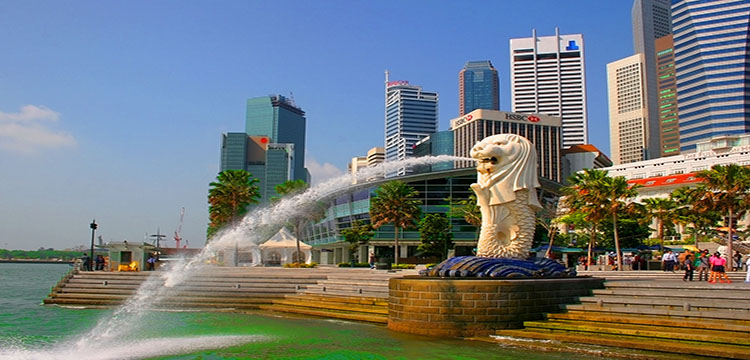
The Singapore River — birthplace of modern Singapore
The Singapore River is often called the birthplace of modern Singapore. For over 200 years, it has been the centre of trade, migration, and cultural exchange — shaping the island into the global city it is today.
Brief History
When Sir Stamford Raffles arrived in 1819, he chose the mouth of the Singapore River as the site for his new trading post. From that moment, the river became the economic lifeline of early Singapore.
Throughout the 19th and early 20th centuries, the riverbanks were crowded with:
- Boats and bumboats unloading goods
- Warehouses (godowns) storing spices, rubber, tin, and textiles
- Traders and coolies from China, India, and the Malay Archipelago
- Shophouses that served as offices, homes, and trading hubs
It was a bustling, noisy, multicultural waterfront — the heart of Singapore’s early commercial success.
Why the Singapore River Was So Important
1. Gateway for Trade and Prosperity
The river connected Singapore to global trade routes. Everything — from pepper and gambier to tin and rubber — passed through this waterway. It transformed Singapore from a fishing village into a major port.
2. Where Communities First Settled
Early migrants from China, India, and the Malay world settled along the river. Neighbourhoods like Boat Quay, Clarke Quay, and Robertson Quay grew around it, forming the foundations of Singapore’s multicultural society.
3. Birthplace of Modern Governance
The Civic District, located beside the river, became the centre of colonial administration. Key institutions — courts, government offices, and trading houses — were all built here.
4. A Symbol of Transformation
By the 1970s, the river had become heavily polluted due to decades of trade and overcrowding. In 1977, Singapore launched a massive clean up project, transforming the river into the clean, vibrant waterfront we see today — a global example of successful urban renewal.
5. A Living Heritage Corridor
Today, the river is lined with:
- Restored shophouses
- Museums
- Bridges
- Restaurants and promenades
It remains a place where history, culture, and modern life blend seamlessly.
Why Tourists Should Visit the Singapore River
- It offers some of the best heritage walks in Singapore
- Visitors can see iconic landmarks like Cavenagh Bridge, Raffles Landing Site, the Asian Civilisations Museum, and Boat Quay
- River cruises provide a relaxing way to learn about the city’s past
- It’s one of the most scenic and historically rich areas in the country
Location
The Singapore River centres on Boat Quay, Clarke Quay, Robertson Quay and the river mouth near Marina Bay.
Plan a Visit
Join one of our guided heritage walks to learn more about the Singapore River's history, landmarks and riverfront revival. Private group bookings available.
Contact / Book a Visit